COVID-19 TEACHING COLLEGIATE SKILLS INDEPENDENT LIFE SKILLS

Dan Mucci • March 31, 2020

At the outbreak of the pandemic COVID 19 virus, The Ohio State University was the first university in Ohio to shut down in-person learning and move to online learning for the rest of the school year. Soon, one-by-one, big and small colleges and universities in Ohio followed in their footsteps.


Upon closing their doors to in-person learning, soon thereafter, students were asked to move out of their dorm rooms and move home the rest of the semester. Many collegiate-age students either where they were attending school or commuting, soon began to be laid off from their jobs thereafter.


Suddenly, students went from living with their friends and having great freedom, to back at home and under parent’s rules and restrictions. For a certain percentage of the collegiate age population, there was no home to go back home to.


Child and Adolescent Behavioral Health’s (C&A) Peer Counselor Bianca Hooten provides insight to help collegiate-age kids through this tough transitional period, which is different than being home during traditional breaks and under the governor’s stay-at-home restrictions.

HOW HIGH SCHOOL STUDENTS ARE AFFECTED BY SCHOOL CLOSURES

“Youth that have come home from college, this does not have to be a bad thing,” wrote Hooten. “I think it is first a mindset, and shifting the mindset that this pandemic is only temporary can be helpful to start. Time at home can be a reset from college stress, talk with hometown friends and mentors to recharge. Most importantly is family. Family time is important especially because youth have been away from their loved ones and close relatives.”

For students who are transient and do not have a home to come home to, Hooten offered this advice. “When students are in that transition of developing independent living skills getting connected to community resources is huge!,” wrote Hooten. “Know the community and networking is big. Peer mentors help will this all the time. … but as for one who has had these experiences and lost them due to this time where they are living now, this could be a time to rewrite goals and aspirations for future trials and tribulations. This could also be a time to look at finances closer and money management. Youth don’t always take advantage of saving money so utilizing certain skills helps in times like now.”


Individuals at all age levels, but particularly this age group, should practice mindfulness and pro-social activities.


“I often give feedback on engaging healthy coping and positive interventions besides what we are used to doing – such as going to shopping centers, beaches and social places,” wrote Hooten. “Walking is awesome and healthy, but working on projects that you want to finish but never have the time because you’re too busy is a good idea. Hanging with close friends – keeping social/personal distancing in mind – is a form of coping I use myself.”

LIFE SKILL LESSONS TO LEARN

Two important life skill lessons for collegiate-age students to learn are money management and time management.


Hooten said money management is important during this time frame. Like no time before, kids need to spend money more wisely and more efficiently. Again, many collegiate students have found themselves temporarily laid off for the first time, so being prudent is essential.
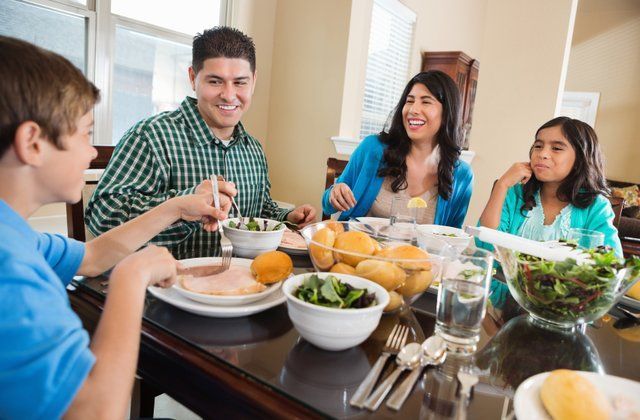
As for time management, Hooten offered this advice. “Our higher officials have placed community orders on all of us; use your time throughout the day effectively,” wrote Hooten. “Consider what your agenda is for each day. Wake up with mindfulness - should I go to the grocery store this day? How can I use my time productively? What are some things that I haven’t put a lot of energy into that matters?

RESILIENCY SKILLS THESE YOUNG ADULTS WILL LEARN

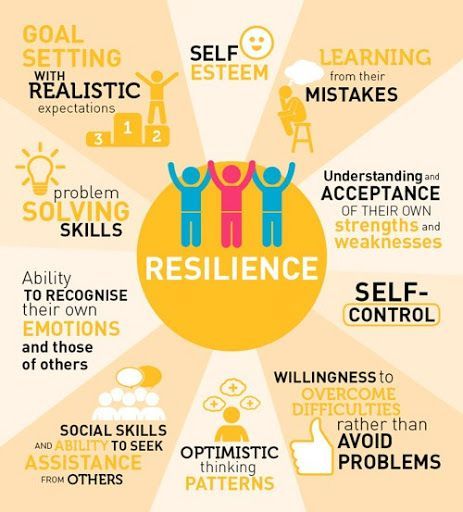
By definition, resiliency is defined as the ability of a substance or object to spring back into shape; elasticity.


Hooten said resiliency is a powerful word! What I constantly tell the youth is that they have strengths and talents already. Sometimes it takes times like these to notice and have mentors pull these gifts out of them. I am a busy body myself, and lately I’ve been in my “creative bag” to say the least. There is something I’ll share that a lot of people don’t know about me – I have been partaking in cooking to strengthen this gift I have. Lately, because all of our social lives here have been slowed down, I have been able to sit down and see what I could develop that I actually like to do.”


Hooten continued by saying she comes from a family of women who love to cook. Since Hooten, like everyone else, is unable to go to her social spots and she is mostly in her house, she is honing her cooking skills.

Hooten summed up what all college kids should be doing right now but rarely take the time to do. Her advice is to take time to know yourself. What are you good at? What are you afraid of? A lot of having strengths and weaknesses has to do with your identity. When you sit down, take time to meditate. Ask yourself some questions. Encourage yourself to face trails and tributions which also help with anxiety! What I’ve learned also that helps with anxiety is having a plan! Plan your day. It will help with that feeling of anxiousness because now you have step-by-step things to accomplish through the day. No one likes feeling overwhelmed!


All four C&A locations are open during the COVID-19 pandemic. C&A is seeing new and current clients in-person or through telehealth. For more information on these services, call 330-433-6075.


* C&A’s Bianca Hooten works with adolescent and young adults as a peer counselor helping kids transition from youth to adulthood learning independent life skills.
RECENT POSTS
Child and Adolescent Behavioral Health
By Daniel Mucci January 16, 2026
CANTON, Ohio (Jan 16) – Child and Adolescent Behavioral Health (C&A) announced today a strategic affiliation with Goodwill Industries of Greater Cleveland and East Central Ohio, Inc. (Goodwill). The affiliation reflects a shared commitment to strengthening community-based services and ensuring long-term stability for children, adolescents, and families across Stark County. This affiliation brings together two mission-driven nonprofit organizations that serve many of the same individuals and families. C&A’s clinical expertise in youth behavioral health will be supported by Goodwill’s established administrative and operational infrastructure, allowing both organizations to advance their missions while remaining focused on the communities they serve. “Youth mental health needs continue to grow across our community,” said Melissa Coultas, Chief Executive Officer of Child and Adolescent Behavioral Health. “This affiliation allows us to strengthen our operational foundation while preserving who we are. Our mission, our services, and our commitment to Stark County remain unchanged, and this partnership allows us to reinvest resources into care and into our staff.” As part of the affiliation, C&A will maintain its designated 501c3 status and operate as an affiliate program of Goodwill. C&A’s name, mission, programs and local leadership remain in place. Clinical services will continue without disruption. Select administrative functions will transition to a shared services model supported by Goodwill. “At Goodwill, our mission is to strengthen communities by helping people overcome barriers,” said Anne Richards, president and CEO of Goodwill Industries of Greater Cleveland and East Central Ohio. “This affiliation reflects Goodwill’s commitment to supporting vital local programs and ensuring C&A can continue delivering trusted, lifechanging mental health services to Stark County families for years to come.” C&A will retain its own Board of Directors and leadership team. Goodwill will serve as the corporate member and provide shared administrative services in areas such as human resources, information technology, and financial operations. “This was a thoughtful, mission-centered decision by the Board,” said Casey McCloud, Board President of Child and Adolescent Behavioral Health. “It strengthens C&A’s longterm sustainability while preserving local oversight and ensuring continued access to critical services for children and families.”
By Mary M. Kreitz September 12, 2025
It seems to be happening all the time – school shootings, violent attacks at public events, celebrities and public figures being attacked or even killed. When things like this happen, it usually shows up on the television and the internet, people post about it on social media, and people talk about it with others around them. Children and adolescents find out, and they may come to you wanting to talk or to ask you questions. How should you handle it? These are difficult but important conversations to have. Here are some tips for talking with children and teens about violent events.
By Melissa Coultas June 30, 2025
For 50 years, we have stood shoulder to shoulder with Stark County’s children and families, helping them grow, heal and thrive through every challenge. Child and Adolescent Behavioral Health (C&A) is a leading nonprofit here in Stark County, but many are unaware of the significant number of lives we touch every day. We are working to change that and find people in the community ready to help us build the next 50 years of hope for Stark County youth. We serve more than 4,000 kids each year by providing mental health services: a person to talk to, a mentor to help them grow, a place where kids with trauma can go to school and a place to hear a voice of reason where no one is turned away because of income.
Red and white megaphone with yellow sound effects, angled to the right.
By Daniel Mucci May 19, 2025
CANTON, Ohio (May 19) – Child and Adolescent Behavioral Health (C&A) has been awarded more than $217,000 in new grant funding from six community-focused foundations and agencies to enhance service delivery, support families, and improve internal operations across Stark County.  The grants—awarded by the Health Foundation of Greater Massillon, Massillon Rotary Foundation, North Canton Medical Foundation, United Way of Greater Stark County, the SummerTime Kids program, and the Roy H. Powell and Nina B. Powell Family Charitable Fund—reflect continued community investment in C&A’s mission and momentum. “These contributions help us strengthen the systems that support the mental health of our community’s youth,” said Melissa Coultas, CEO of Child and Adolescent Behavioral Health. “They ensure our team is equipped, our services remain accessible, and our families feel supported.”
By Mary M. Kreitz November 21, 2024
For many people changes in the seasons also bring changes in mood, energy, sleep, weight and appetite. Some researchers have found that as many as 90% of people report noticing these types of changes in themselves. However, for some people, the changes are so intense that they interfere with the person’s ability to function in their daily life.  Seasonal Affective Disorder or SAD is a type of clinical depression that occurs with a consistent seasonal pattern. The symptoms of SAD are the same as those for other depressive disorders; what is different is that the symptoms begin every year around the same time, last for several months, and then go away for the rest of the year. The most common form of SAD is what is known as winter-pattern SAD in which depressive symptoms start in the fall or early winter and end in the spring. Another less common form is known as summer-pattern SAD and is associated with depressive symptoms that occur during the spring and summer months and improve in the fall.
By Mary M. Kreitz November 6, 2024
The 2024 election has brought a lot of fear and stress into the lives of people throughout the country. A recent survey by the American Psychological Association found that 77% of adults in the US are worried about the future of the nation, 73% reported feeling stressed out about the economy and 69% reported feeling stressed about the presidential election. When adults are feeling this high of a level of stress, you can bet that children and adolescents are feeling it too.
By Daniel Mucci October 1, 2024
Are you a trusted adult to your child or someone’s child in your life? What are the characteristics of a trusted adult?  Trusted adults are viewed by children or adolescents as a safe figure that listens without judgment, agenda or expectation, but with the sole purpose of supporting and encouraging positivity within a young person’s life. Today’s youth identify a trusted adult as someone who is willing to listen and engage, rather than lecture and give orders. Young adults are interested in having open conversations about mental health, social media, bullying and sharing their own experiences.
By Daniel Mucci September 9, 2024
Child and Adolescent Behavioral Health’s (C&A) The Canton Repository Let Your Light Shine presented by the Massillon Eagles FOE #190 is Sept. 21 at the DoubleTree by Hilton, Canton, from 6-9 p.m. The 19th annual event supports the youth mental health programs and services C&A provides each year to our 4,100 clients.
By Mary M. Kreitz June 18, 2024
You have probably heard the scary statistics. LGBTQ+ youth are at higher risk for serious mental health problems (such as anxiety and depression) than their non-LGBTQ+ peers. They’re more likely to consider suicide, more likely to attempt suicide and more likely to engage in non-suicidal self-harm.
More Posts